

RED STAR – SERBIA, WHAT IS ITS HISTORY, ITS MAIN ACHIEVEMENTS AND WHO WERE ITS STAR PLAYERS
Red Star Belgrade, or “Crvena Zvezda” in Serbian, is much more than a football club: it is an institution steeped in history, passion, and national pride. Founded in 1945, it embodies the soul of Serbian football, boasting an unwavering fanbase and a trophy cabinet that places it among the giants of Eastern Europe. Its most glorious moment came in 1991 when it won the European Cup, a milestone that cemented its legendary status. In this article, we explore its history, its most resounding achievements, the managers who defined eras, and the stars who electrified Belgrade's Marakana Stadium.


A Symbol Born in the Post-War Era
Red Star Belgrade was founded in 1945, during the reconstruction of Yugoslavia after World War II. It was established by a group of young people belonging to the cultural organization "Jugoslovenska omladina," who sought to represent the new spirit of the socialist country. From the very beginning, the club adopted red as its main color, a symbol of energy, unity, and revolution.
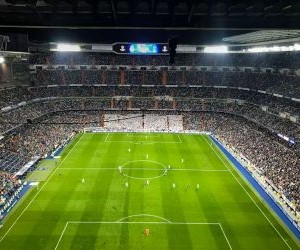
Its stadium, known as "Rajko Mitić" but nicknamed "Marakana" for its impressive atmosphere, was inaugurated in 1963 and is one of the most intimidating temples of European football. With a capacity for over 50,000 spectators, it has been the stage for historic feats, unforgettable derbies, and nights of continental glory.
Early National Achievements
Since its creation, Red Star established itself as one of the most dominant clubs in the former Yugoslavia. By the 1950s, it was already winning titles, thanks to a technical and combative style of football that represented the spirit of the country. The rivalry with Partizan Belgrade was born almost at the same time, creating the famous "Eternal Derby," one of the most intense on the planet.
Foundation: 1945
Stadium: Rajko Mitić (Marakana)
Colors: red and white
Nickname: The Reds (Crveno-beli)
During the 60s and 70s, the club experienced sustained growth, with teams that combined local talent and tactical discipline. Their success began to be built on the development of players and a winning mentality that led them to become the most decorated club in their country.

Red Star Belgrade, European and World Champions
The pinnacle of Red Star Belgrade's history came in 1991. That year, under the guidance of coach Ljupko Petrović, the team achieved the unthinkable: winning the European Cup (now the Champions League). In the final, played in Bari, Italy, they defeated Olympique de Marseille on penalties after a 0-0 draw. This victory was not only historic for the club, but also for all of Balkan football.
The 1991 Champion Team
The squad that reached glory was brimming with talent. Players like Dejan Savićević, Robert Prosinečki, Dragan Stojković and Darko Pančev formed a golden generation that combined technique, character and a winning mentality. In December of the same year, Red Star also became world champion by defeating the Chilean Colo-Colo in the Intercontinental Cup in Tokyo.
European Cup: 1 (1991)
Intercontinental Cup: 1 (1991)
Yugoslavian leagues: 19
Serbian leagues: 10+
National cups: more than 25
The philosophy of club: Balkan passion and talent
The Figures Who Wrote Red Star's History
Throughout its history, Red Star has been home to legendary players, memorable coaches, and epic moments. Its identity was built on national pride, the natural talent of Balkan footballers, and a style that combines strength and artistry. For the fans, each generation has its heroes, but they all share the same passion.
Players Who Made Their Mark
Dragan Stojković “Piksi”: A magician with the ball, considered one of the best Serbian footballers of all time. Captain and symbol of the club in the 80s.
Dejan Savićević: An unpredictable genius who shone in the 1991 final and later triumphed at AC Milan. His technique and vision made him unique.
Robert Prosinečki: Midfield maestro, a passing artist and European champion with the club. Later, he excelled at Real Madrid and Barcelona.
Darko Pančev: A lethal goalscorer, top scorer of the 1991 European Cup. His composure in front of goal made him an eternal hero.
Rajko Mitić: The club's first great idol, an elegant player and a symbol of the old school of Yugoslav football. Today, the stadium bears his name.
Coaches who left their mark
Red Star has had great strategists throughout its history. Ljupko Petrović will forever be remembered as the manager who led the club to the pinnacle of European football in 1991. Other notable names include Miljan Miljanić, who in the 1960s and 70s built the team's modern style, and Vladan Milojević, who in the more recent era returned the club to the Champions League with a solid and disciplined project. Red Star Belgrade has shown that, even in a money-driven football world, fighting spirit and local pride remain powerful weapons. In recent years, the club has regained prominence in Europe, going toe-to-toe with the continent's giants and keeping the flame of Balkan football alive. Today, Red Star Belgrade remains the heart of Serbian football. With a youth academy-based project, a fanbase that never gives up, and a history that inspires respect, the club continues to roar from Belgrade to the world. Its legacy is measured not only in titles, but in the passion, character, and pride of a nation that lives and breathes football like few others.