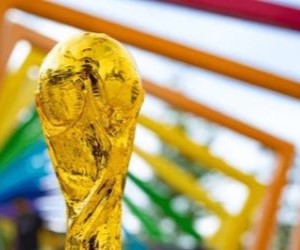

Find out if the 2026 World Cup will transform Mexico, the USA, and Canada in the long term with lasting projects, or if it will just be a passing spectacle.
WILL THE 2026 WORLD CUP INFLUENCE THE GLOBAL SPORTS ECONOMY?
The 2026 World Cup will not only be a spectacle on the pitch, but also a global economic engine. With 48 teams, three host countries (USA, Mexico, and Canada), and unprecedented commercial expansion, the tournament aims to generate record revenues in television, sponsorships, tourism, and sports technology. In this article, we'll tell you how this mega-event could redefine the global sports economy, from ticket prices to its impact on local leagues. If you're a die-hard soccer fan and interested in the economic side of the game, you'll love this.


The most expensive and ambitious World Cup in history
With the inclusion of 48 teams, the 2026 World Cup will be the longest and most expensive of all time. A total of 104 matches will be played, compared to the usual 64. This means more tickets sold, more broadcasting rights, and more tourists traveling throughout North America.
Impressive Figures
The tournament is expected to generate more than USD 11 billion in total revenue, according to FIFA estimates.
More than 5 million tickets will be available, an all-time record.
The cumulative audience could exceed 5 billion global viewers.
The host cities (such as New York, Mexico City, Vancouver) will collectively receive more than 10 million visitors.
The infrastructure costs exceed USD 5.5 billion in the three countries.
The size of the event requires thinking about new forms of logistics, technology, security and sustainability, which will open up business opportunities in sectors that go beyond football.

How it affects leagues, brands, and athletes
The 2026 World Cup will be a turning point for the business of sports. Not only because of the event itself, but because of the changes it will bring in its wake. From sponsorship contracts to transfer fees, everything could be altered by the World Cup effect.
Local leagues with indirect gains
MLS (United States), Liga MX (Mexico), and the CPL (Canada) will see a notable boost.
MLS alone projects a 30% increase in merchandising revenue and stadium attendance thanks to the enthusiasm generated by the tournament. With more national teams, there's more room for lesser-known players to shine. This creates a "transfer bubble" similar to what was seen after Qatar 2022. It is estimated that more than 150 players will change clubs after the 2026 World Cup, pushing the global transfer market above USD 10 billion. Brands are also playing a role. Adidas, Nike, and Puma are already preparing campaigns with nine-figure budgets. Tech companies like Apple, Google, and Amazon will invest in broadcasting and sports data analytics. The market for fan tokens and NFTs related to the World Cup will grow by 70%, according to Deloitte Sports. Businesses in the host cities will see sales increases of up to 40% during the event. It's a golden moment for everyone connected to the sports ecosystem.
What's Moving Beyond the Ball
The World Cup is no longer just about football. Its impact touches industries such as tourism, technology, entertainment, and even environmental sustainability. And in 2026, with three host countries and an unprecedented scale, that multiplier effect will be even greater.
Sports Tourism at Its Best
Airlines project a 25% increase in regional flights during the tournament. Hotels in cities like Los Angeles, Monterrey, and Toronto are already reporting bookings three years in advance. Specialized tourism agencies are designing "football tours" with prices starting at USD 6,000 per person.
Technological innovation at the service of the fan
Smart stadiums with 5G and facial recognition.
Apps for immersive experiences with augmented reality.
AI for real-time tactical analysis and performance predictions.
Personalized streaming with multi-camera option and live data.
Fan zones with sensory experiences for those not going to the stadium.
Greener Football
For the first time, FIFA will apply stricter environmental standards. 70% of stadiums will use renewable energy, and there will be carbon footprint offsetting programs. The World Cup also becomes a showcase for sustainability.
In short, the 2026 World Cup will not only change lives on the field, but will also move industries, economies, and mindsets across the planet. It is the beautiful game at its most powerful.
YOU MAY ALSO BE INTERESTED