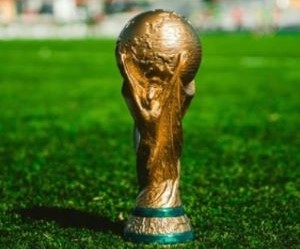

Find out which stadium will have the largest capacity at the 2026 World Cup, its characteristics, interesting facts and the role it will play in the World Cup.
WHAT WILL BE THE ECONOMIC IMPACT OF THE 2026 WORLD CUP?
The 2026 World Cup will be the biggest of all time: 48 teams, three host countries, and millions of fans. But beyond goals, excitement, and jerseys, this tournament will generate a windfall of dollars for stadiums, tourism, television rights, sponsorships, and commerce. How much is it expected to generate? Who benefits and who invests? In this article, we explain, with hard data and interesting anecdotes, how the 2026 World Cup will be a true economic powerhouse.


Historic Figures and Record Projections
FIFA has already made it clear that the 2026 World Cup will be the most lucrative in history. With more matches, more tickets sold, and more countries involved, the numbers are staggering (in a good way). The total economic impact is expected to exceed $11 billion, according to official estimates.
For comparison, Qatar 2022 generated close to $7 billion, and Russia 2018 around $6 billion.
In other words, we're talking about an economic leap of almost 60%.Where will all this money come from?
Ticket sales: It is expected that more than 5 million tickets will be sold in the United States, Mexico, and Canada.
TV rights: More than 200 countries will broadcast the tournament, representing almost a third of FIFA's revenue.
Global sponsorships: Brands like Adidas, Coca-Cola, and Visa will renew their multi-million dollar agreements.
Tourism and accommodation: It is estimated that the tournament will attract more than 5 million visitors. international.
Merchandising: T-shirts, caps, official balls, and other souvenirs generate billions in sales.
And that's without counting the "indirect" gains, such as the activation of local businesses, transportation, digital platforms, social networks, and even the creation of temporary jobs.

Impact on Host Countries
The United States, Mexico, and Canada will share hosting duties for the 2026 World Cup, and each will reap distinct but significant economic benefits. With more venues and more matches, the distribution of economic activity will be broader than ever before.
The United States will bear the brunt of the burden (and the benefits), with 11 host cities, giant stadiums, and infrastructure already in place for events of this magnitude.
Who benefits most from all this?
US. US: The direct economic impact is expected to exceed $5 billion in that country alone. Hotels, airports, security, and restaurants are already preparing. Mexico: With matches at Estadio Azteca, Monterrey, and Guadalajara, revenues of at least $500 million are anticipated in tourism and services. Canada: Although it will have fewer matches, the boost to tourism and the country's image will be significant, with revenues close to $400 million. Beyond the direct financial impact, the World Cup also brings improved infrastructure, greater international exposure, and enhanced country branding. In other words: they win today, tomorrow, and in the long run. And keep in mind that jobs are also created: in the US alone, more than 40,000 temporary jobs are expected to be associated with the tournament. From waiters to security personnel and tour guides.

Who else benefits from the business?
The 2026 World Cup will be a party for FIFA, brands, and host countries. But there are other sectors that also benefit… a lot. From influencers to tech startups, the economic ecosystem that is activated is enormous.
Social media and streaming platforms will experience their own boom. TikTok, YouTube, Twitch, and other channels will receive millions in views, advertising, and sponsored content.
This creates a parallel money circuit in which many young people also participate.The Other Winners of the Cup
Tech Companies: Apps, data analytics, 4K/8K streaming, and augmented reality for fans.
E-commerce: Record sales of official merchandise and themed gadgets on Amazon, MercadoLibre, etc.
Content Creators: From TikTokers to podcasters, everyone will have something to say and monetize.
Music Industry: Concerts, official anthems, and collaborations with artists Global.
Regional Tourism: People who take advantage of the trip to visit other cities or neighboring countries.
And what about the expenses? Yes, organizing a World Cup costs money. But in this case, with three countries sharing venues and a lot of infrastructure already in place, the cost is lower than in past tournaments. So the final balance looks more than positive.
In short: the 2026 World Cup will be more than just football. It will be a global economic boost, with a direct and indirect impact on millions of people. And that's something to celebrate.
YOU MAY ALSO BE INTERESTED