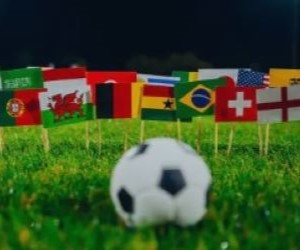
Discover how to follow the 2026 World Cup standings in real time, with apps, statistics, interesting facts and tricks so you don't miss a thing.
WHAT WILL THE 2026 WORLD CUP SCHEDULE BE LIKE?
Are you wondering how the 2026 World Cup will be played? Get ready, because this edition will be historic. The United States, Mexico, and Canada will host, and the tournament will expand to 48 teams. The schedule will undergo unprecedented changes, including more matches, a new group stage, and more excitement from the very first minute. In this article, we'll tell you everything you need to know: dates, cities, format, key statistics, and even some mind-blowing facts. If you're passionate about soccer, this article is for you.


New Format and Key Dates
The 2026 FIFA World Cup will mark a turning point in football history. For the first time, the tournament will feature 48 teams instead of the traditional 32, which implies a substantial change in the calendar, competition format, and duration of the event.
Dates Confirmed by FIFA
FIFA has confirmed that the tournament will be held between **June 11 and July 19, 2026**. During these 39 days, a total of **104 matches** will be played, compared to 64 in previous editions. This translates into more football, more excitement, and more opportunities for national teams around the world.
Structure of the new calendar
The new calendar is designed to distribute the match load across three host countries: the United States, Mexico, and Canada. The group stage will be longer, with 12 groups of 4 teams. The top two teams from each group and the eight best third-placed teams will advance to a new Round of 32.
Tournament start: June 11
Last group stage match: July 2
Knockout stage: July 3-15
Final: July 19, likely in New York
This new format aims to make the tournament more global, giving more countries the opportunity to compete at the highest level. However, it also presents new logistical, physical, and sporting challenges for the participating teams.

Venues and match distribution
The 2026 World Cup will be the first in history hosted by three countries. The selected venues reflect not only world-class infrastructure, but also a strategic geographic distribution to guarantee maximum coverage and experience for fans. Confirmed Host Cities: United States: 11 cities, including New York, Los Angeles, Atlanta, and Miami. Mexico: Mexico City (Estadio Azteca), Guadalajara, and Monterrey. Canada: Toronto and Vancouver. The United States will host the most matches, including all matches from the quarterfinals onward. Mexico will make history as the first country to host three Men's World Cups (1970, 1986, and now 2026).
Statistics and capacities
The combined capacity of the stadiums exceeds 1.5 million seats. MetLife Stadium in New York is the favorite for the final, with a capacity of over 82,000 spectators. In contrast, the historic Azteca Stadium will be the only one to host matches in three different World Cups. Furthermore, it is estimated that more than 5 million fans will travel between venues, making the 2026 World Cup the most visited of all time. Interesting facts about the venues: Toronto will be the northernmost venue. The Azteca aims to break cumulative attendance records. Seattle will host its first FIFA event of this magnitude. Vancouver returns after missing out on the Women's World Cup. 2015.

Impact and Predictions of the New Schedule
The new 2026 World Cup schedule will have profound implications not only for national teams, but also for clubs, domestic league schedules, and the players themselves.
More Football = More Spectacle?
With 104 matches, the volume of action skyrockets. But does that mean more quality? Some experts fear an overload of matches that could affect performance and excitement. However, more early international matches could lead to surprises from the group stage onwards. 48 teams means more global representation. Third-placed teams will have a better chance of advancing. There will be 24 teams that have never played in a World Cup with a realistic chance of qualifying. The tournament will last longer than ever: 39 days. Effects on clubs and players: With the World Cup extending its duration, many leagues will have to adjust their schedules. There could also be more injuries or accumulated fatigue, which will influence post-World Cup performance in club tournaments such as the Champions League, Copa Libertadores, or domestic leagues. Who are the favorites? Brazil, France, and Argentina remain the natural favorites. But watch out for emerging powers like Morocco, Japan, and the United States, who will be playing at home. And of course, there's always room for a Cinderella story to surprise the world, like Croatia in 2018 or Morocco in 2022.
YOU MAY ALSO BE INTERESTED